
Free Printables
Free Printable Coloring Pages for 4 Year Olds
Finer lines, more shapes and pictures with a story to finish.

Coloring becomes a project at this point. Watch for a firmer grip on the crayon, a color chosen on purpose rather than by whichever comes out of the box, and wanting the page to come out a particular way.
That raises the bar too. A child who can see that a picture has a finished look will push a page away if it turns out muddy or if the shapes are too small to fill cleanly. What a page needs here is a bit more detail and a bit more patience built into it.
What makes a coloring page right for a 4 year old
Lines can be noticeably thinner than the pages made for a first try, because a steadier hand can follow a slimmer edge. A page with a slim but clean outline gives something to follow, and the result looks deliberate afterwards.
A richer set of shapes is welcome. Ten to twenty areas on a page is comfortable here, including some medium and a few smaller ones, as long as nothing is so small that a crayon cannot land inside it.
Scenes work better than single objects. A picture with a subject and a setting, like an animal in a field or a house with a garden, gives a reason to plan colors, and planning is what keeps the session long.
Skip mandalas and dense patterns. Very fine repeating shapes are a frustration trap, because the work of filling them is slow and the reward is small.
How to set up a printing session
Print a small choice of pages and let your child pick. Asking what kind of picture is wanted first often saves a sheet.
Offer more colors, and offer them well. A set of ten to twelve crayons, or colored pencils if your child can press lightly enough, gives room for a plan. Pencils reward a gentler hand and are a good next step once crayons feel too blunt.
Use a sharper point if your child is ready. A crayon that can turn a corner gives a cleaner result, and a neat edge looks different from a smudged one at a glance.
Print bigger for a longer project. If a page is going to take a while, printing it on a larger sheet gives the fine areas more room at the same level of detail, which is often the difference between a finished page and an abandoned one.
Keeping it short and calm
Let your child, not a timer, say when the sitting is over.
Leave a part-finished page out on purpose. An unfinished picture is often the one a child comes back to. If the family needs the table back, put the page and the crayons together somewhere safe the child knows about.
Say less while the picture is in progress. A child building an idea of how the picture should look does not need a comment about the color of the sky.
Let small hands rest. Gripping a crayon carefully tires the hand faster than scribbling does, and a break in the middle of a detailed page often saves it.
Keep paper in the drawer. Children ask for more pages at this point, and having a small stack printed and ready keeps the moment flowing instead of ending it.
More from the blog
For the hand side of the same work, our guide on apps for fine motor skills in toddlers explains what the grip and press are building, and our piece on what age toddlers can use coloring apps covers when a child is ready to color on a screen as well as on paper.
A look inside the pack
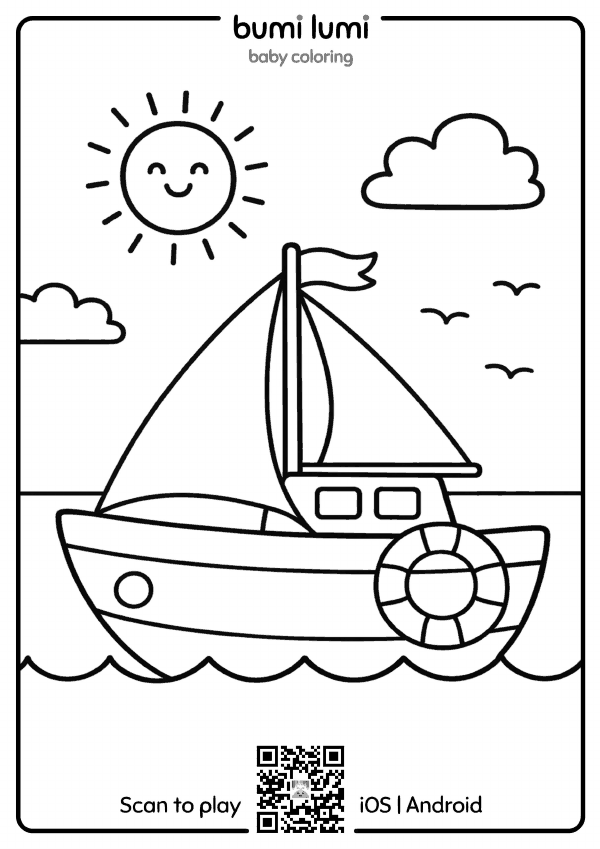
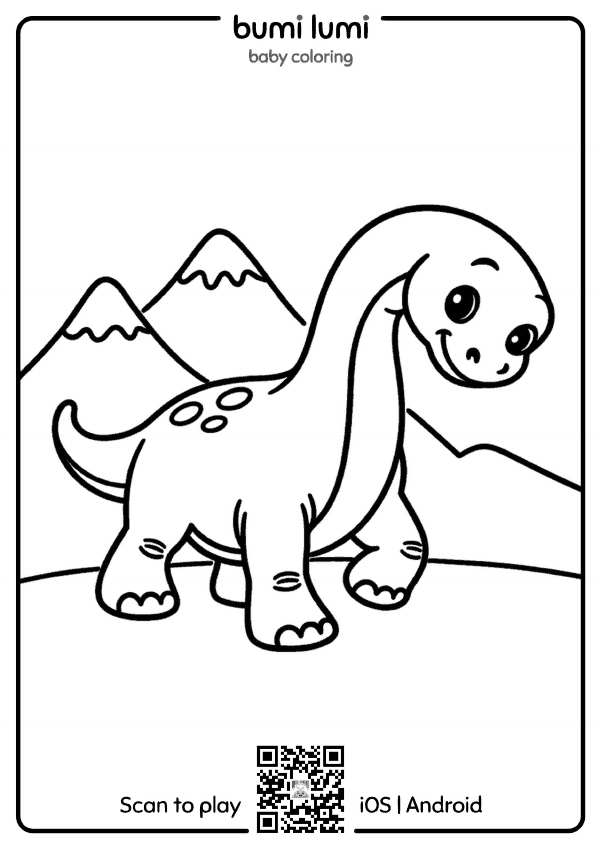
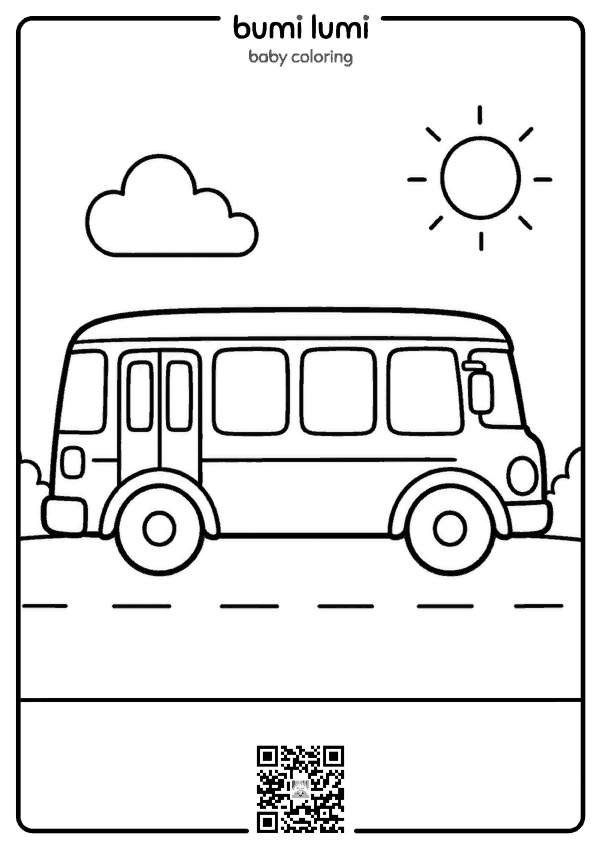
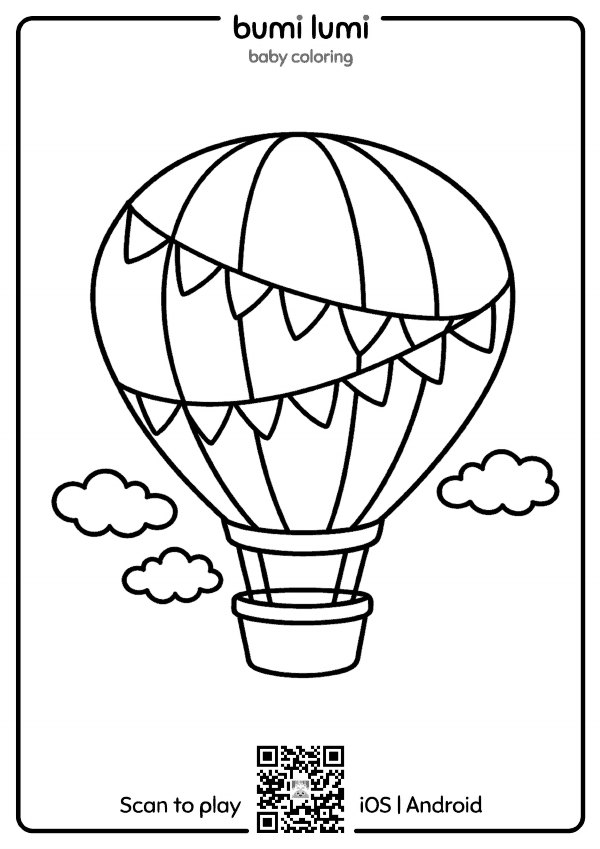
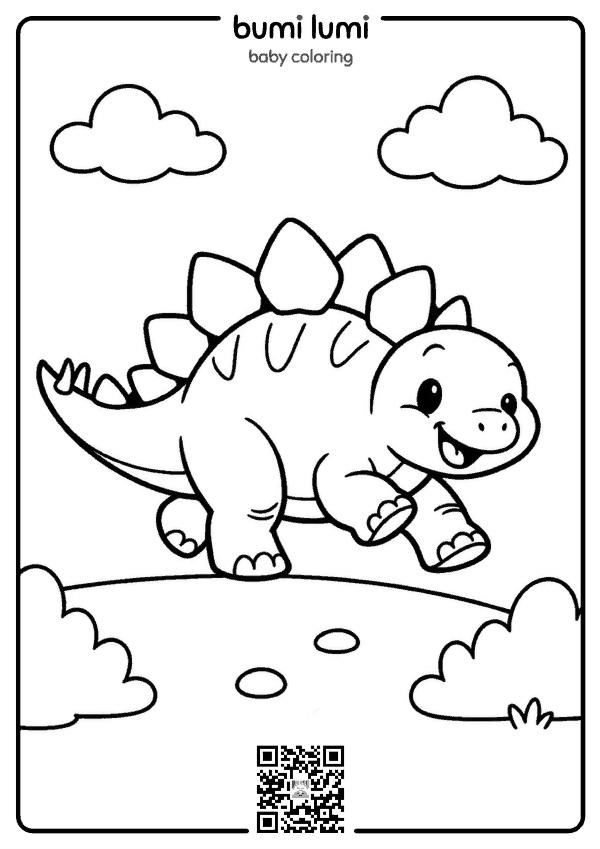
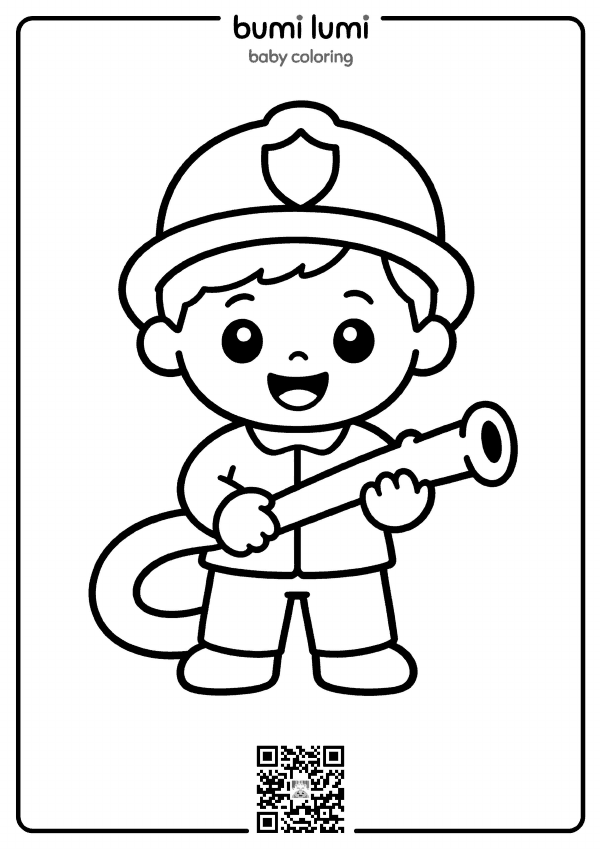
Get the free pack by email
Leave your address below and we send the first pack of pages straight to your inbox. The pack covers ages 2 to 5, and the pages shown above are the ones that suit this age. The pages come to you by email, so you can save them, print the ones you like and come back for the rest.
Coloring on a screen, too
Bumi Lumi: Kids Coloring Games is a coloring app for children aged 2 to 5. It works without internet, including in airplane mode. Explore Bumi Lumi on the App Store and Google Play.