
Free Printables
Free Printable Coloring Pages for 2 Year Olds
Pages with big shapes, thick lines and room to scribble, made for the very first tries.

Coloring at this stage is mostly about the crayon in the hand, not the picture on the page. The paper is a place to move a mark around and see what happens, and a page that suits a young child is one that does not get in the way of that.
This is where a wrong page is obvious. Hand over a detailed scene with a hundred small areas and the page is often pushed away almost at once.
What makes a coloring page right for a 2 year old
Lines should be thick and dark. A thin grey outline disappears as soon as a crayon crosses it, and a child who is not trying to stay inside the lines yet needs a line that is easy to see to keep the picture legible afterwards. A bold border and few internal outlines survive the scribble stage better than a delicate drawing.
Shapes should be large and few. One clear subject filling most of the page reads better than a busy scene, and a handful of big areas means each stroke covers visible ground. Look for pages where the main shape is about the size of a child's hand or bigger.
Skip the small stuff. Eyes, stripes, petals and tiny patterns are for older children, and a page with three big areas and one subject is the right density for a first page. Keep it black and white too: filled grey areas cannot be colored in, and gradients confuse a child who is still learning what a crayon does.
How to set up a printing session
Print one page, not a stack. A single sheet on the table is an invitation, and a pile of ten is a job.
Tape the paper down. A strip of masking tape on each corner stops the page sliding around, and a sliding page is the most common reason a session ends almost as soon as it starts.
Use fat crayons and a flat surface. Chunky crayons are easier to grip and harder to snap, and a table beats a lap or a sofa cushion. Three colors out at a time is plenty.
Sit close, and color too. Coloring beside someone keeps the session going in a way that watching does not, and an adult drawing on their own sheet does that without directing it. Say little about the picture and nothing about staying inside the lines.
Keeping it short and calm
Watch your own child here rather than a clock. Stop while it is still going well, before the crayons start leaving the page, because a short session that ends happily is the one that gets repeated tomorrow.
Print the same picture more than once. A child who wants the same page again gets a spare with no wait.
Put the crayons away with the page. A box that comes out only for coloring keeps the activity special.
Let the page end however it ends. A single scribble over a big shape is a finished piece of work, and pointing out that the color went over the line teaches a rule the child cannot use yet.
More from the blog
If your child is younger or you want the wider picture, our guide on what age toddlers can use coloring apps covers what a young child can try alone, and our piece on mess free coloring for toddlers has the low-mess setups that work when the table has to stay clean.
A look inside the pack
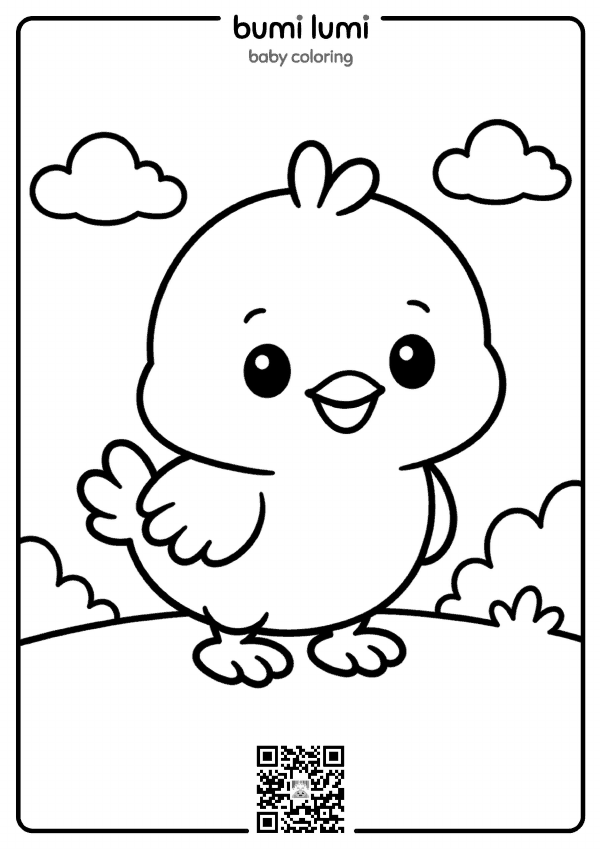
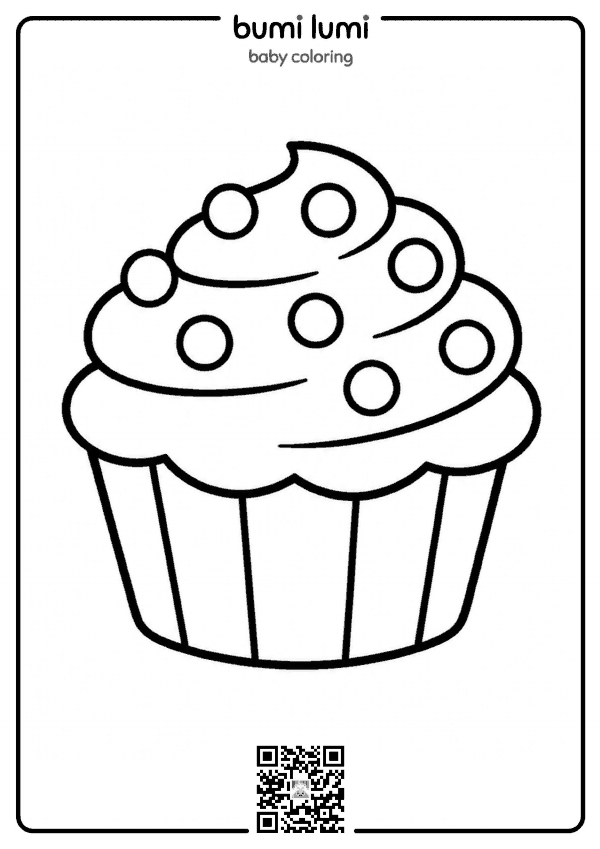
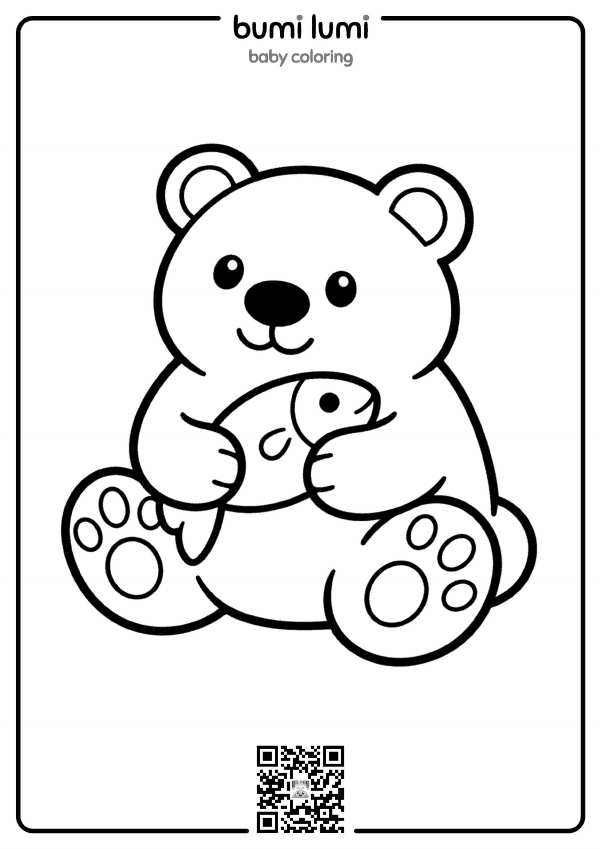
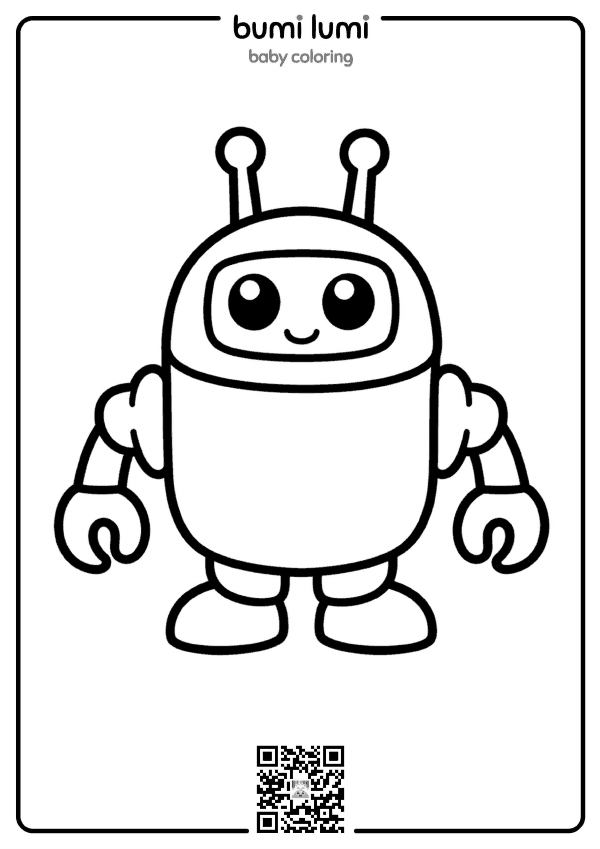
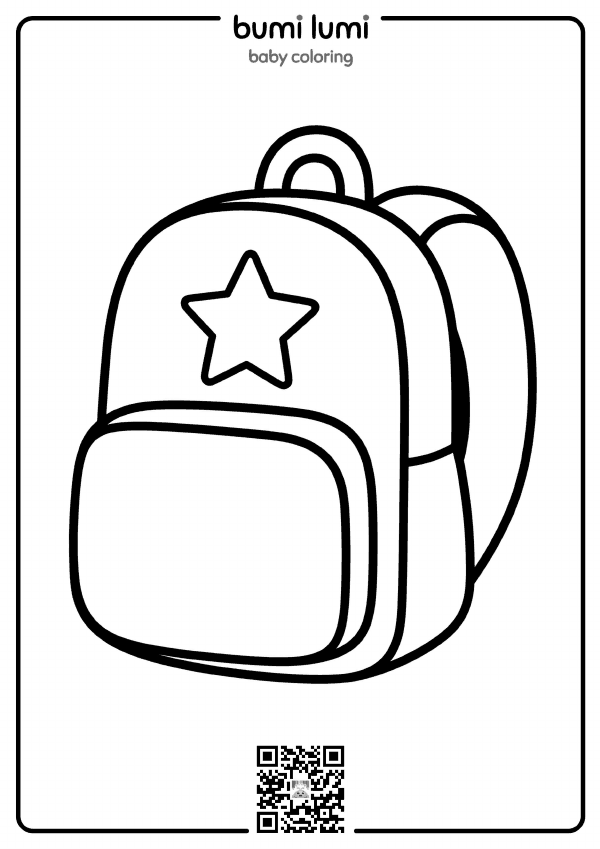
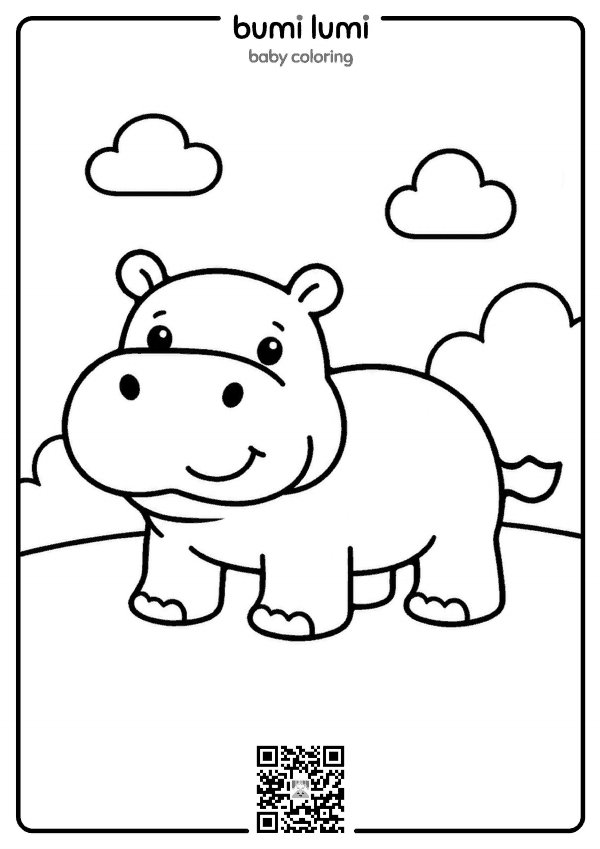
Get the free pack by email
Leave your address below and we send the first pack of pages straight to your inbox. The pack covers ages 2 to 5, and the pages shown above are the ones that suit this age. The pages come to you by email, so you can save them and print them whenever you need them, as often as you like.
Coloring on a screen, too
Bumi Lumi: Kids Coloring Games is a coloring app for children aged 2 to 5. It works without internet, including in airplane mode. Explore Bumi Lumi on the App Store and Google Play.